Healing the Invisible Wounds: Art, Play, and Therapy for Gaza's Children
Names in this story have been changed to protect the privacy and safety of the families involved.
For months after the war, eight-year-old Salma drew only in black. Her counselors did not push her; they simply kept putting the crayons within reach. In February, for the first time, she drew a house with a yellow sun above it. Her therapist keeps a photocopy of that drawing to remind herself why this work matters.
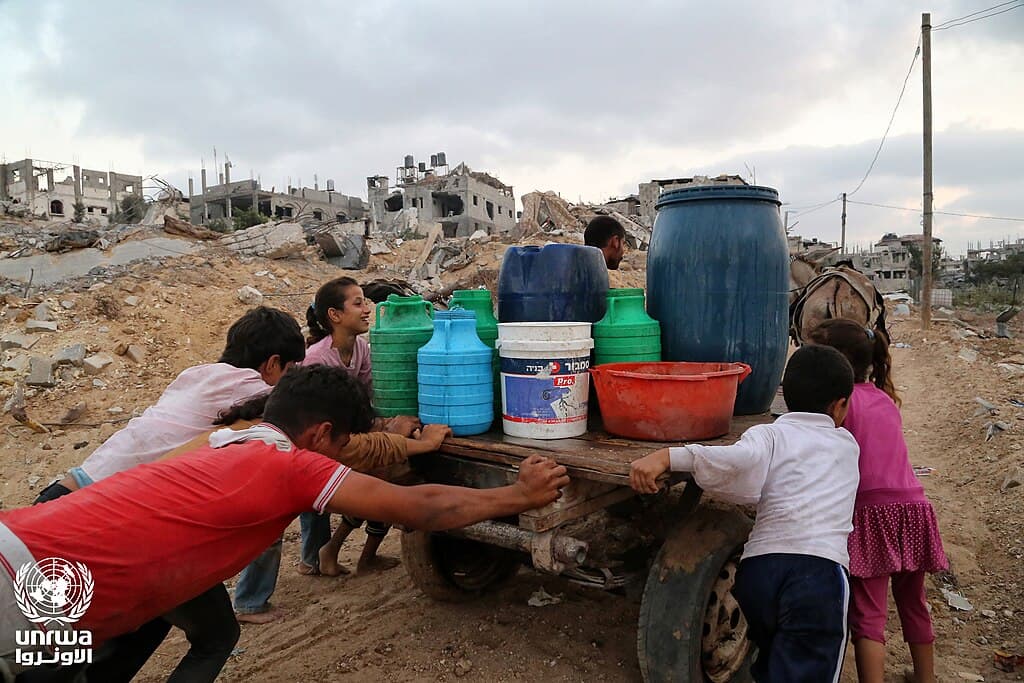
Nearly every child in Gaza has lost someone or something — a parent, a sibling, a home, a bedroom wall with their height marked on it. The wounds that don't show on X-rays are the ones that can shape the rest of a life if no one treats them.
What healing looks like at age eight
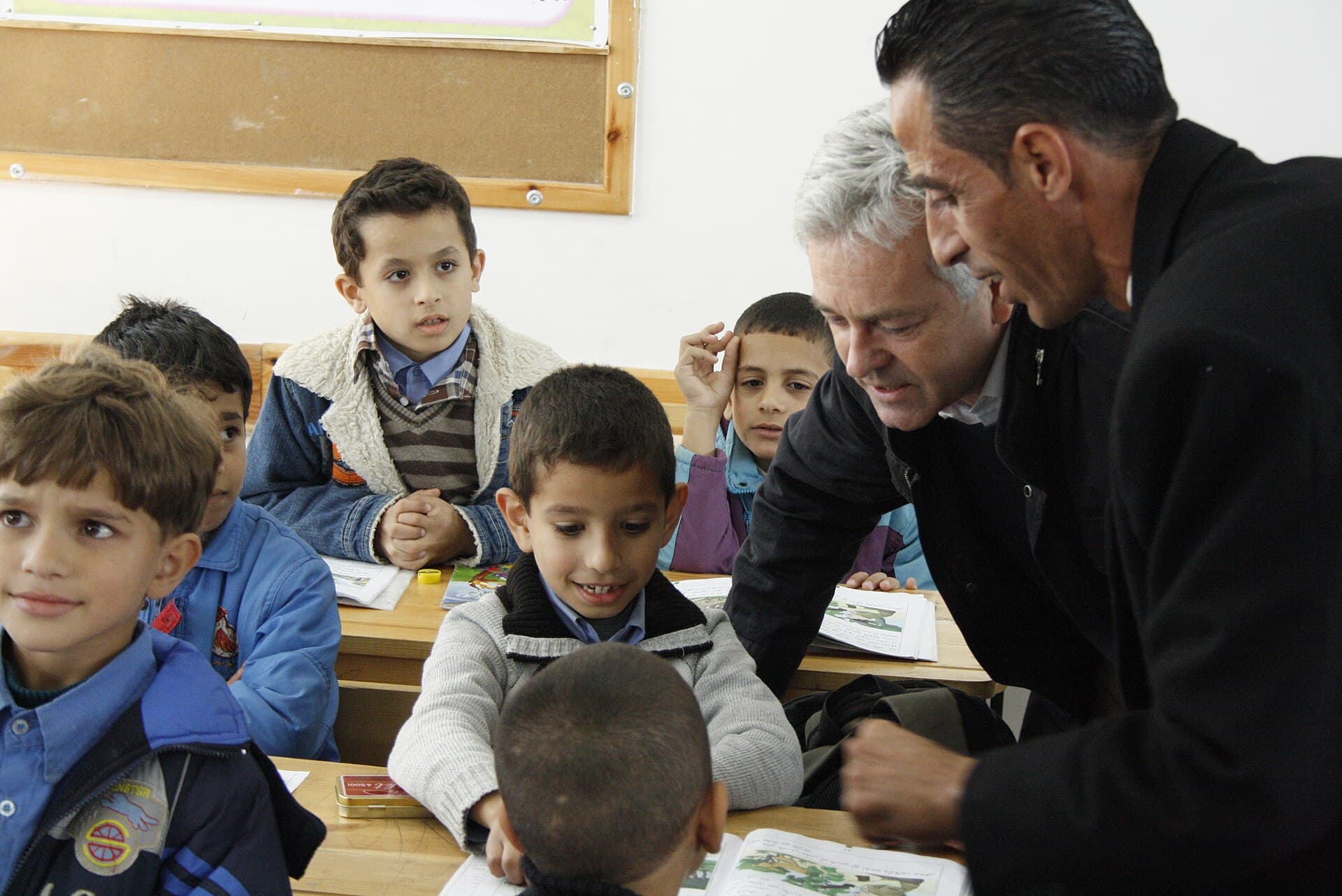
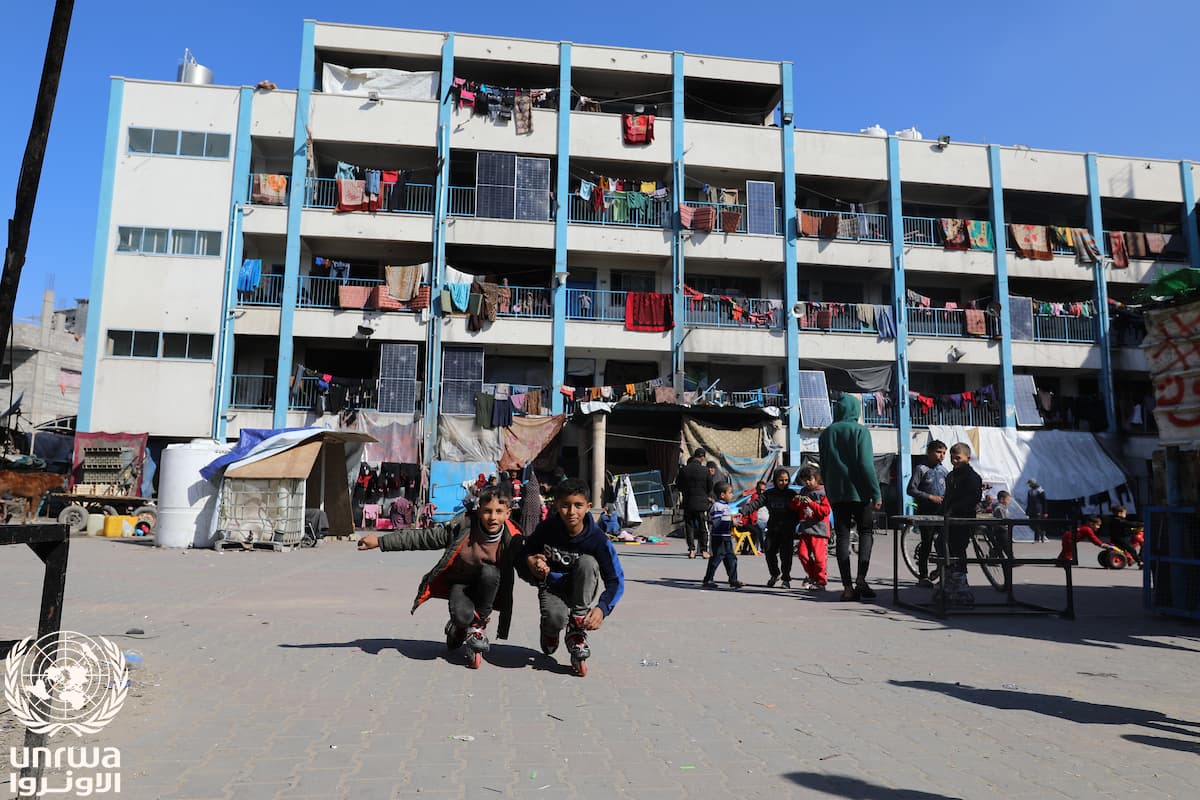
Children do not process trauma by talking the way adults do. They process it by playing, drawing, and slowly discovering that the world can be safe again. Motaz Foundation's psychosocial program funds child-friendly spaces inside camps and shelters — corners of color where trained counselors run art therapy, group play, and structured routines that give shattered days a shape.
For children with severe trauma, the program funds one-on-one therapy, and it trains mothers and caregivers — often carrying their own grief — in how to help children who wake up screaming.
The first month, he would not let go of my hand at the door. Now he runs in ahead of me. He has friends. He laughs. I had forgotten his laugh.
— Mother of a six-year-old in the program
The generation the future depends on
Rebuilding Gaza will take engineers, doctors, and teachers — and every one of them is a child right now. Whether they grow up defined by what happened to them, or by what came after, depends on what happens next. A $60 donation funds a month of psychosocial support for a child. It is how a black crayon becomes a yellow sun.
Be part of the next story
Your donation today starts another family's story — a meal, a semester, a new limb, a safe journey.